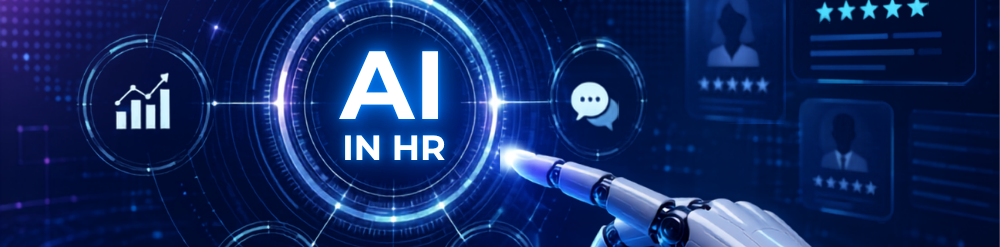
Artificial Intelligence is a technology that holds limitless possibilities. From making everyday tasks easier to transforming HR teams' work, AI in HR is a remarkable innovation. It's helping companies streamline the entire hiring experience, supporting HR teams in recruitment and onboarding, improving employee experience, retention, and more.
As challenges in the HR sector continue to grow, AI is a gamechanger for addressing these issues and optimizing workforce management. Given its widespread benefits, recent reports highlight the size of the HR market in human resource recruitment.
The global artificial intelligence in HR market size was valued at $3.3B in 2023 and is expected to grow from $4.0B in 2026 to $15.2B by 2030, with a CAGR of 24.8% from 2024 to 2030. To understand all the key details, benefits, challenges, and areas where AI is revolutionizing the HR sector, keep reading the blog.
How is AI Transforming Human Resources Recruitment?
Gone are the traditional HR processes that relied on manual efforts, repetitive tasks, and subjective decision-making. It’s a time-consuming task to manage large volumes of employee data, enhance employee experience, and optimize the entire workforce management.
AI changes this scenario by analyzing vast amounts of workforce data in real time, identifying patterns, and providing actionable insights. This way, HR teams can focus more on strategic initiatives that matter the most. Thus, AI in HR is a gamechanger for an organization’s overall management success.
- Automate repetitive tasks
- Help in recruitment
- Improve hiring accuracy
- Deliver personalized employee experiences
- Boost operational efficiency
Instead of being afraid of replacing HR professionals, AI empowers them to focus on high-value initiatives such as employee engagement, leadership development, and organizational growth.
Key Areas Where AI is Revolutionizing Human Resources
The following are some of the best examples of how HR professionals can use artificial intelligence in the HR sector to address workforce issues.
- AI in Recruitment: Recruitment is one of the most widely used areas where AI plays a crucial role. Hiring teams spend time screening resumes, scheduling interviews, and communicating with the candidates. AI automates most of these tasks while helping recruiters find the best-fit candidate.
- Employee Retention: Finding talent is one thing; hiring them is another. Keeping experienced workers is just as critical as seeking them out when businesses vie for experienced talent. By leveraging AI, HR teams can proactively identify employees likely to leave and suggest actions to enhance engagement.
- Automate Onboarding Process: After candidates are recruited, HR can leverage the power of AI to carry out the onboarding process, which works well in today’s remote work scenarios.
- Enhance employee experience: To retain and find top talent is one of the key challenges for every company. AI helps HR deliver more personalized and satisfying employee experiences.
- Talent Management: It is important to keep employees and company recruiting strategies on the right path. This way, HR teams can also help employees grow, learn, and improve their capabilities.
- Predictive Workforce Planning: AI tools track current market trends to forecast future talent needs. This helps organizations to improve workforce planning and ensure talent acquisition supports long-term business growth.
Prominent Benefits of Using AI in HR
The following are some key benefits of leveraging AI in HR processes.
- Saves Time: By incorporating AI into the HR process, you can reduce the time spent on manual or repetitive tasks. This way, senior team members can focus on developing strategic initiatives to drive the organization’s success.
- Helps in Decision-Making: AI can easily surface the most important employee data from the company’s portal. This covers payroll, performance reviews, feedback, and more.
- Scalability: Supports global hiring campaigns with accuracy and consistency.
- Enhances Employee Experience: Implementing AI can improve employee experience by personalizing experiences based on individual needs and preferences. The capability of AI to respond to queries at any time of the day fosters satisfaction among employees.
What are the Drawbacks of AI in HR?
While AI in human resources recruitment offers specific benefits, it also poses challenges and considerations that HR professionals need to address to ensure effective implementation.
- Lacks Human Touch: Integrating AI into HR can risk neglecting human touch, particularly in areas that require empathy, intelligence, and relationship-building.
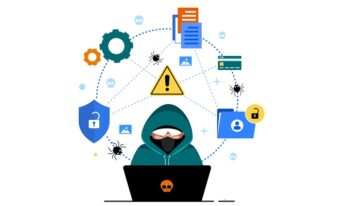
- Privacy Concerns: AI systems rely heavily on data. Thus, there is a chance that employee-sensitive information may be compromised at times. It is necessary to ensure data privacy and compliance with regulations such as GDPR to protect employees' rights and build trust.
- Algorithmic Bias in Hiring: It’s one of the key challenges when it comes to integrating AI in HR. It occurs when the AI systems favor or rejects candidates based on gender, age, race, etc. This means, AI systems are only trained for specific scenario, thus giving false outcomes.
The Commonly Asked Question: Will HR Get Replaced by AI?
The answer is no! AI is not here to replace HR. However, it's here to streamline the complete HR and recruitment process. While AI automates these areas, HR professionals can spend more time on areas where human creativity, oversight, and decision-making are needed. In short, AI is not here to replace HR; however, it is here to shape the future of work.
Popular AI Tools and Technologies in Human Resource Management
ChatGPT, the popular conversational AI chatbot, supports natural-language conversations. HR teams can rely on ChatGPT to draft emails, automate responses to employee questions, provide onboarding support, create spreadsheets, and more.
IBM watsonx HR Agent:
It is suite of AI-powered HR solutions to help HR professionals with a range of tasks. The platform can automate complex HR tasks intelligently and securely. Helps to answer HR questions, automates talent acquisition, fosters a learning and growth culture, alongside, supports in the overall performance management of employees.
What Does the Future of HR Look Like with AI in Place?
Here is what the future looks like:
- Resume Screening: Algorithms rank applicants based on competence, education and prior experience.
- Personalized Employee Development Programs: Such programs with AI analytics will become standard.
- AI Recruitment: AI recruitment technologies will also progress to include advanced behavioral analysis and emotional intelligence.
Better, Faster & Smarter Workforce Management!
As we wrap up the context, one thing is clear: finding the right talent, retaining talent, and planning an efficient workforce are cornerstones of an organization's success. However, with the emergence of AI in almost every field, including HR, the 21st-century hiring process looks different. It has made the entire journey easier, more efficient, and more streamlined through automation and intelligence.
So, it’s your best chance to unlock the full potential of AI to streamline recruitment with the right security and privacy considerations. It is important for the HR teams to ensure they follow the best security practices and follow compliance with regulations such as the GDPR to protect employees' rights and build long-term trust. Organizations should also invest in ethical and legal practices for better security.
To stay updated with the latest blogs around the AI space, don’t miss out on visiting our website.
FAQs
1] What are some examples of AI applications in HR and recruitment?
Answer: AI is transforming various aspects of the recruitment workflows, including screening applications through chatbots, scheduling interviews with email assistants, selecting candidates based on skill sets, and more.
2] How can HR professionals stay ahead in the AI-driven era?
Answer: HR professionals should not stop their learning curve. Adapt to the tools and emerging technologies in the market. The focus should be on how AI can enhance overall recruitment outcomes and improve the employee experience.
Also Read:
Augmented Reality Employee Onboarding: The New Standard in Workforce Training